Digital Transit Media Heats Up: Motio's New Adonix Partnership Signals DOOH Evolution
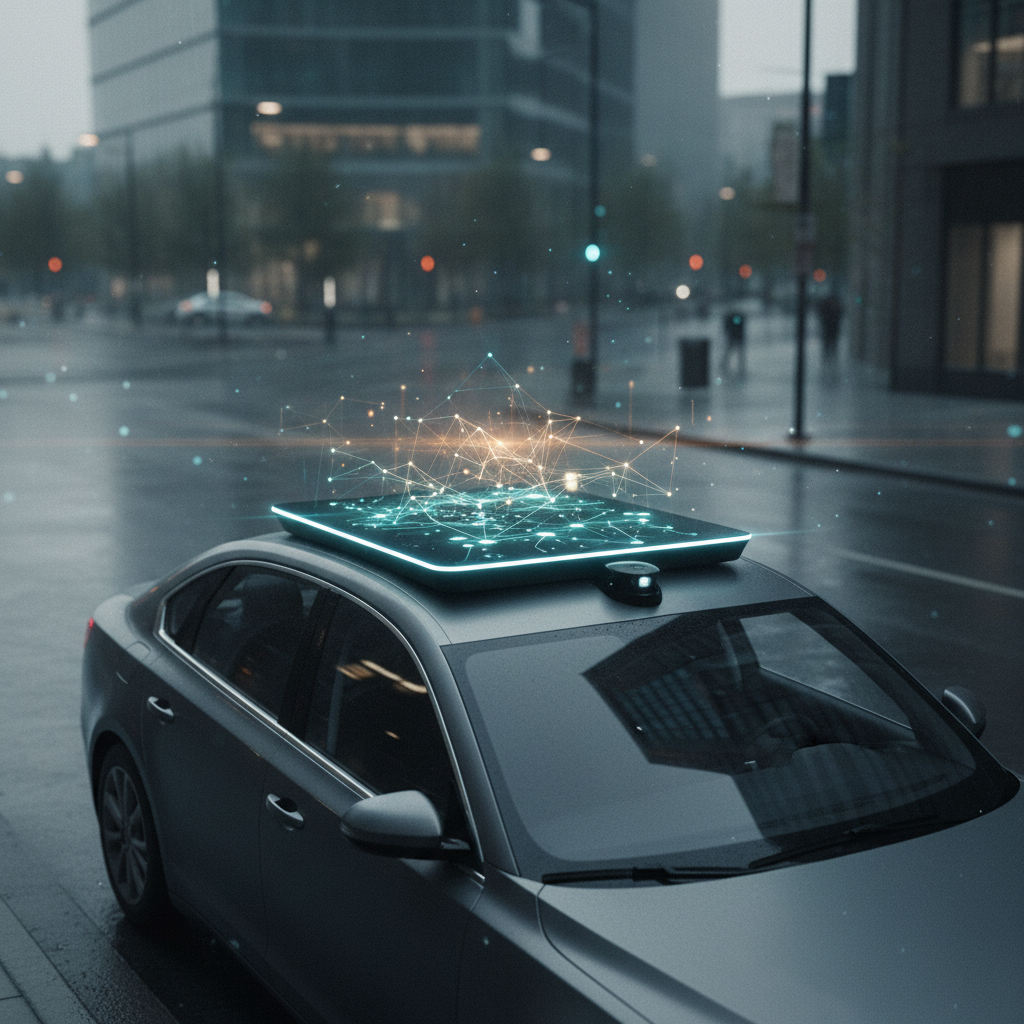
Australian media company Motio has launched 'Motio Drive' through an exclusive sales partnership with digital transit media specialist Adonix. This collaboration expands Motio's presence in premium urban digital out-of-home (DOOH) advertising, leveraging high-definition taxitop screens.
What Happened
Motio has announced an exclusive sales partnership with Adonix, an Australian digital transit media company, effective February 26, 2026. This collaboration introduces 'Motio Drive,' a new offering designed to enhance the urban transit media sector.
Adonix contributes a rapidly expanding network of high-definition digital screens strategically mounted on taxis. This initiative represents a significant strategic expansion for Motio, positioning it further within the premium digital out-of-home advertising landscape.
The partnership's core focus is to harness mobile, dynamic ad placements, delivering targeted messaging within bustling urban environments. This move underscores a broader trend towards more agile and technologically integrated advertising solutions.
Why It Matters for NZ Marketers
This Australian development offers a compelling look at advanced Digital Out-of-Home (DOOH) solutions that could easily be adopted or replicated within New Zealand's urban centres. NZ marketers can closely observe the effectiveness of these mobile, geo-targeted digital screens, which promise a new level of precision for reaching specific audiences while they are in transit.
The initiative underscores the increasing sophistication of DOOH inventory, moving beyond traditional static billboards to embrace dynamic, location-aware formats. Such partnership models could inspire similar collaborations between New Zealand media owners and technology providers, ultimately enhancing local Out-of-Home offerings across the Tasman. This signals a potential shift in how urban advertising budgets are allocated, favouring more flexible and measurable digital formats over conventional approaches.
Strategic Implications
- •Evaluate the potential for integrating dynamic, location-based DOOH into media plans for enhanced targeting and campaign flexibility.
- •Consider how mobile digital screens can complement existing OOH strategies, particularly for driving foot traffic or promoting events.
- •Explore partnerships with local transport providers or tech companies to innovate in the NZ DOOH space.
- •Leverage data analytics to measure the impact and reach of these evolving DOOH formats, moving beyond traditional OOH metrics.
- •Develop creative assets specifically designed for dynamic, short-form, and contextually relevant messaging on mobile screens.
Future Trend Signals
- •Increased integration of programmatic buying for DOOH, enabling real-time ad serving based on location and audience data.
- •Further proliferation of digital screens on various urban transport modes, creating a more interconnected urban advertising network.
- •Greater emphasis on hyper-localised and contextual advertising delivered through mobile DOOH platforms.
- •Enhanced measurement capabilities for DOOH, providing more granular insights into campaign performance and audience engagement.
Sources
Related Analysis
More posts sharing similar topics

Trans-Tasman Media Stocks Rebound: A Glimmer of Optimism for NZ Marketers

QMS NZ Consolidates OOH Landscape with Unified Offering

Trans-Tasman Media Stocks Rebound: A Glimmer of Stability for Marketers
DOOH Evolution: QMS NZ Insights Point to Data-Driven Future